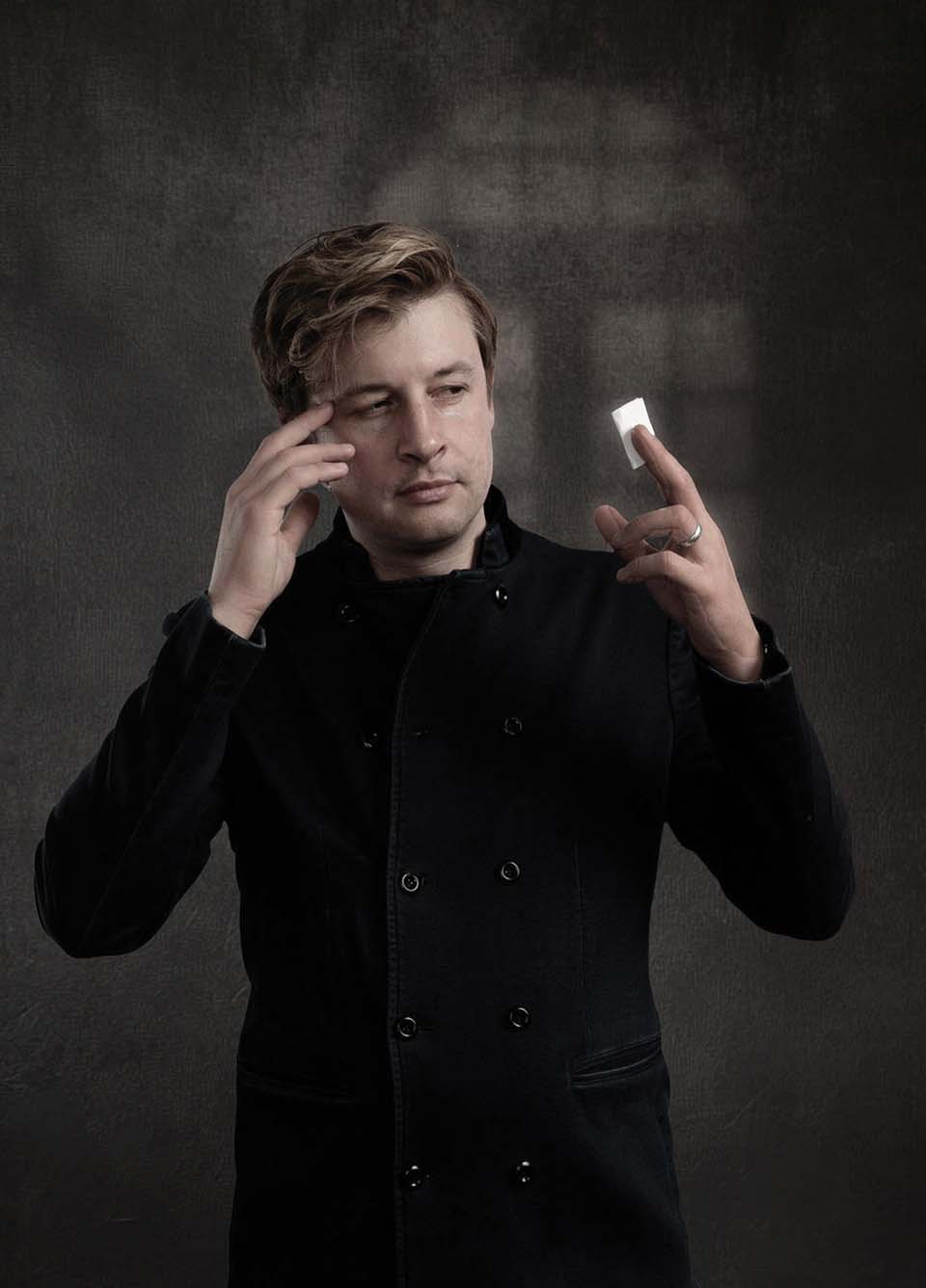
Anyone who has had the privilege of attending Mackinley Steinhoff’s Delusional – not to be confused with magic – Shows, has witnessed a phenomenon that is beyond anything they have ever witnessed. It is captivating, mind boggling, and leaves everyone in the audience shaking their heads saying, how the heck did he do that?
But there is another side of Mackinley that goes deeper, that exposes the raw truth about addiction and mental illness. We asked Mackinley some personal questions and he responded. “I want to share my story,” he says, “because if it helps just one person, it’s worth it.”
Often when you perform you have a message you tell the audience about addiction. What is that message and why do you want to share it?
I want to tell people about addiction and mental illness, both of which I have struggled with but have recovered from. I want to remind anyone who is struggling that recovery is possible and a beautiful life can be lived if you embrace a new way of living. I want to inspire people who may struggle, and I want to remind people that just because someone has an addiction or mental illness doesn’t mean they are worthless or you should give up on them. There is always hope.
Can you share your journey as an addict? When did it start? When did you realize you were an addict? What steps did you take to recover?
My journey as an addict was more of alcoholism than drug addiction, but I struggled with drugs a little bit too. It started out all fun and games, and then as my mental health deteriorated, I started to turn to alcohol more and more to cope. Through my twenties I was an absolute disaster, sometimes showing up to my magic shows drunk and just being a mess. It took me a while to realize that I was an addict/alcoholic. Those around me saw the problem long before I did. But once I recognized I had a problem I went to treatment here in Thunder Bay at the Sister Margaret Smith Centre, and then I spent time in halfway houses and eventually got well again. It was an extremely difficult road, but it really taught me a lot. I realized very early on that the key was not quitting substances, the key was learning to live sober. And that’s what that time period, when I was 27 years old, taught me. I learned how to live sober.
What were some of the events/people along the way that helped you onto your road to recovery?
I have too many people who helped me to list here…but definitely it was important to listen to anyone who knew about recovery. I find a lot of addicts think they know better and think they’re different and their situation is special...but the truth is, the answer and the solution to recovery will not come from your mind if you’re an addict. It will come from those who have already recovered. They’re the ones to listen to, not your own mind. I’m also fortunate that I had a supportive family and a lot of friends who respected, supported, and encouraged what I was doing. Even drinking buddies understood that I was improving my life and encouraged me to get sober. I am fortunate in that sense.
What were some of the obstacles along the way?
The main obstacle was just my own mind, and my own willfulness, and my reservations about living sober. I kind of worried sometimes that it wouldn’t be fun to be sober, but I’ve found that it’s not only fun, it’s infinitely more enjoyable and less stressful.
When did you realize your life was worth changing?
I realized my life was worth changing when I had a psychotic episode, without drugs involved, in 2015. Previously to that, I had a few episodes of psychosis, and they were linked to drugs, but this one I had without taking any drugs, and it made me aware that it wasn’t just drugs that were a problem, it was alcohol too. Previously, I didn’t believe that. After that, when I started to connect with the recovery community, I started to see that a life without alcohol or drugs could be possible and beautiful and fun, and that was very encouraging to me and inspired me to pursue recovery, not only from my substance use, but also from my mental illness.
What would you like to say to people who think they may have an addiction?
Get help and listen to those who know better. Your mind will not solve this problem. The answers will come from those who have already recovered. And nurture your mind, body and spirit. Don’t neglect any of them. I know spirituality and God can be a tough point for a lot of people … but your spiritual health is a huge factor in recovery and staying sober and living a happy sober life.
Do you have any other thoughts you’d like to add?
I just want to say how grateful I am to have recovered, and that a sober life is just incredible. I now have a family. I got married last summer, and my wife and I have a young son. I have my dream job, performing magic professionally full time here in Thunder Bay, and I just want to remind people that if you work hard, anything is possible. No matter how low you’ve fallen, recovery and a better life is worth pursuing.
If you, or someone you know, has an addiction problem, reach out. You can start by calling the Canadian Centre for Addictions at 1-855-977-1001 and
they will guide you through the next steps. You can also visit the Alcoholics Anonymous website at www.aa.org