Spain is internationally renowned as the source of fine wines combining high quality with reasonable price; it stands at the pinnacle of the quality/price ratio in the world of fine red wine. The archetype of this splendid value is the region of Rioja, lying along the Rio (river) Ebro in north-central Spain. But it no longer sits alone atop its podium – an upstart in the neighbouring watershed is challenging for the crown.
The Rio Ebro flows eastward through Rioja to the Mediterranean Sea, but a height of land directs the Rio Duero, just over the southern hills, westward toward the Atlantic Ocean. (Along the way it crosses into Portugal, where the name Duero becomes Douro, the source of Port – see Bayview Winter 2016). While there is evidence of winemaking along the Duero going back to pre-Roman times, during the past two centuries the region lapsed into obscurity. That changed when one intrepid winemaker visited Bordeaux, bringing back cuttings of their finest vines. The winery he founded – named Vega Sicilia – was a lone pioneer making profound wines somewhat in obscurity for decades. Today, a cohort of dedicated vineyard innovators is building on that pioneer foundation. Unhampered by binding traditions, winemakers here are experimenting with international as well as indigenous grape varieties, producing stunning results. They call their region Ribera del Duero, translating as ‘along the banks of the Duero’.
The leading wine of Ribera del Duero today is still Vega Sicilia; its high price and restricted availability remain astonishing. But many of its new neighbours are now appearing on our local LCBO shelves, meriting a place in your cellar and on your table. While experimenting with international grape varieties, Duero vintners have now settled on their own native Tempranillo – the little early one – as their predominant grape variety of choice, and while some blend international varieties into their wine, many others are choosing 100% Tempranillo for their finest wines. There seems little doubt that grapes grow best near their home, and Spain is certainly the spiritual home of Tempranillo.
Because there is no long-established traditional style of winemaking here, it is risky to try to describe a ‘typical’ wine from Ribera del Duero; it will take you much delightful experimentation to find the house and style of your preference. Traditional label language, like Reserva, carries much the same meaning as in Rioja: longer ageing in cask before bottling. But how that translates into the style of a particular wine remains for you to discover. On the whole, wines from Ribera del Duero tend to be big, full bodied, fruit-filled and assertive, with a gentle tannic structure providing early accessibility, with strength for years of maturation in your cellar. They do not exhibit the austere elegance of an aged Rioja – the rusty brick colour, the vanilla-scented delicacy. They are almost Bordeaux-like in their blend of fruit and tannin; time will bring their disparate elements into balance.
Above all, these are wines of quality.
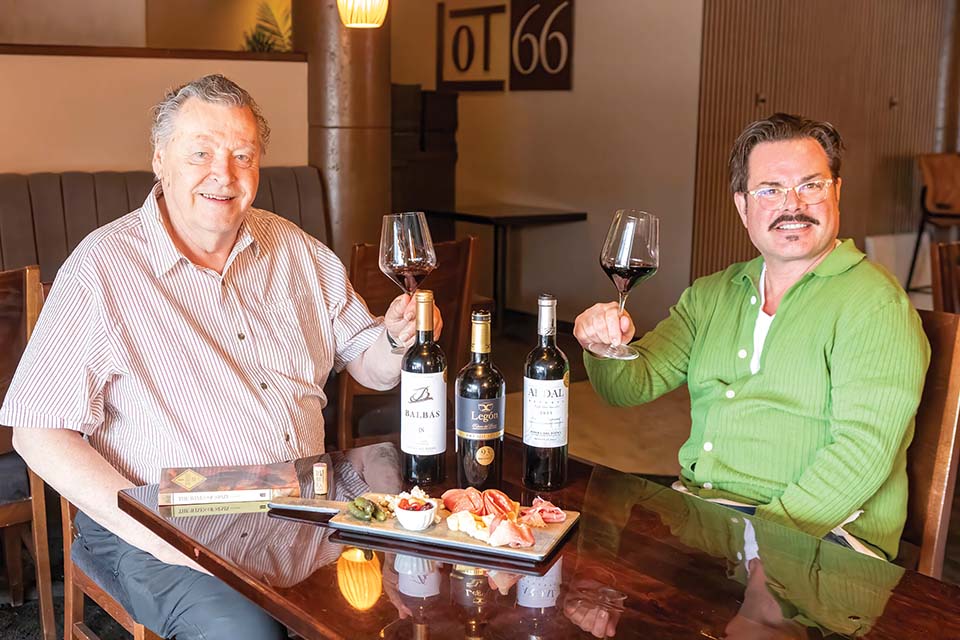
No one moves into Ribera del Duero, plants a vineyard and establishes a winery to make down-market wine. Across the board, these are top-quality products, in a variety of styles, but always good stuff at fair prices that tend to run about the same as their Rioja counterparts, and they are quite as competitive on the value/price scale. There are not as many different wines from the Duero as from the Rioja, as they have not been established in our marketplace for as long – they only received their Denominación de Origen Calificada (DOCa) status in 1982. Two that regularly appear locally are Balbas and Ardal; you owe it to yourself to try them!.
© Paul Inksetter 2026